It was a transformative experience, sharing key elements of our work over the past year and bringing greater structure and shared direction to the plastic repair journey. Plastic repair needs clarity, unity and wider adoption as we move from a culture of replacement towards repair first solutions. That means closing the knowledge gap and repairs done right, in line with OEM guidelines, with a clear focus on safety and preserving how each plastic part is intended to perform.
The discussions reinforced the need for clearer guidance on plastic repair across the collision industry. The white paper’s key themes, including preferred repair methods, training, repair quality and validation, were well received.
The meetings also provided an opportunity to outline the next steps for putting Plasnomic’s in-house training programs, solutions and best practices into action.
Key topics shaping the next stage
Discussions covered the technical, workforce and operational challenges affecting plastic repair, alongside Plasnomic’s future direction. Key topics included:
- Industry knowledge Closing the knowledge gap around plastic repair across the collision industry.
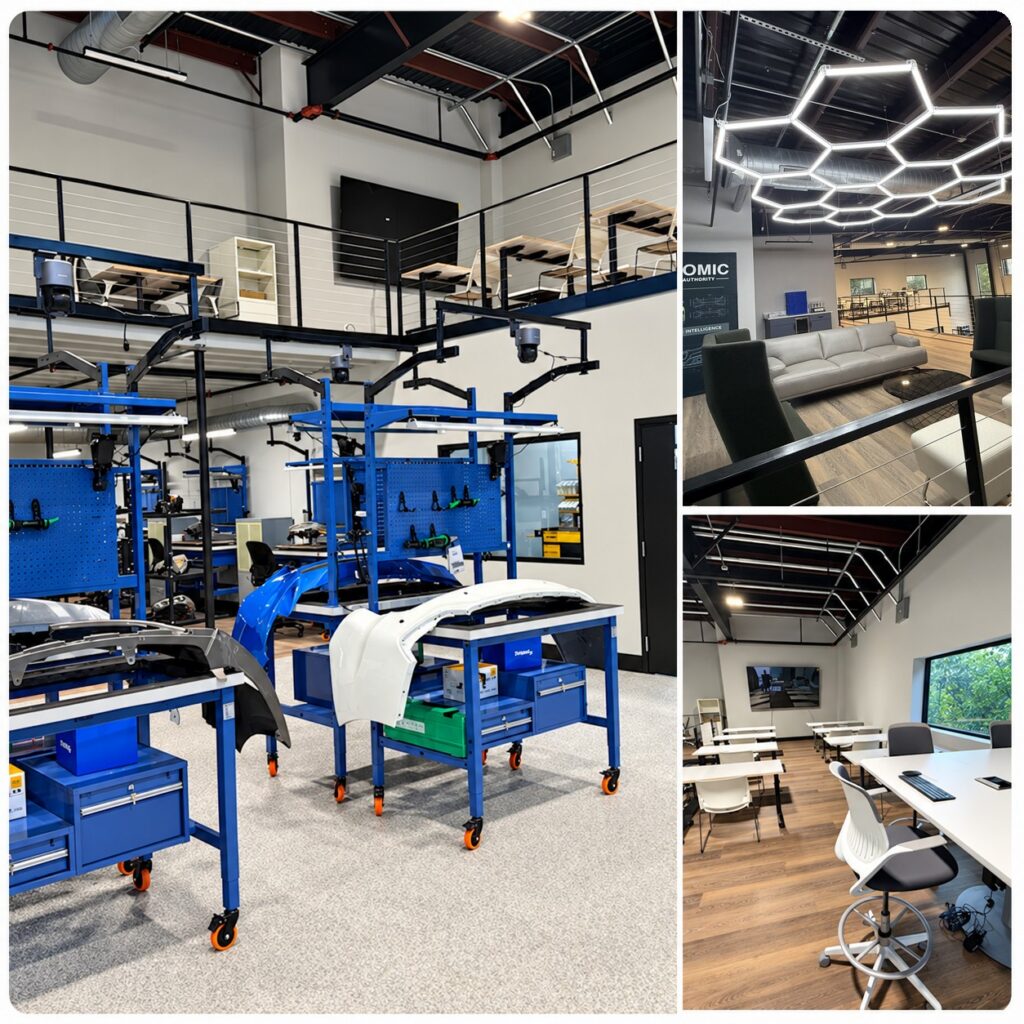
- Training delivery Addressing trainer availability and the logistical challenges of hands-on training.
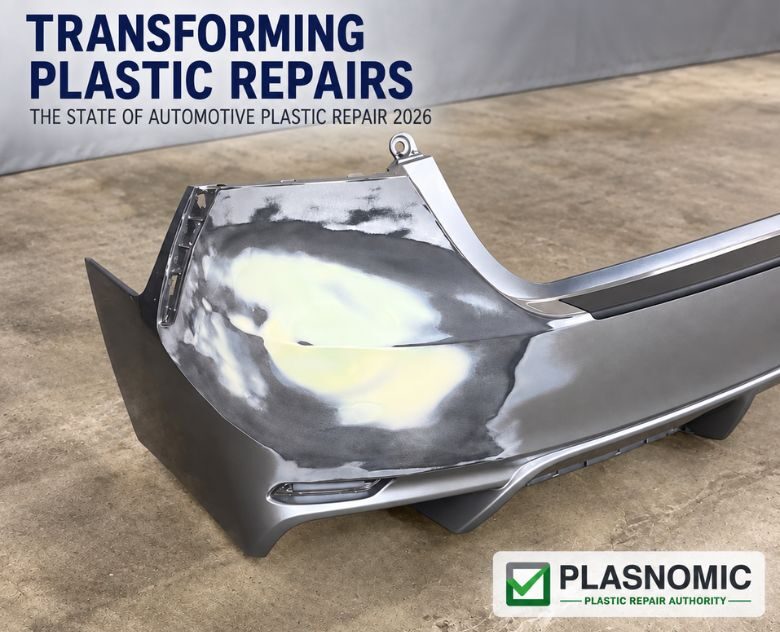
- Filler use Examining the issues filler can create in plastic repairs and the implications for repair quality.
- Talent development Building training pathways to support new talent and develop existing skills.
- Preferred repair methods Evaluating methods aimed at restoring original OEM component performance.
- Software and services Developing additional support for plastic repair operations.
- Certification and validation Strengthening personnel certification, repair quality and verification.
- OEM collaboration Advancing engagement and dialogue with vehicle manufacturers.
- Plasnomic’s future structure Considering council representation, future direction and whether to operate as a nonprofit.
- Headlight repair Establishing the objectives for further work in 2027.
White paper review opens Monday
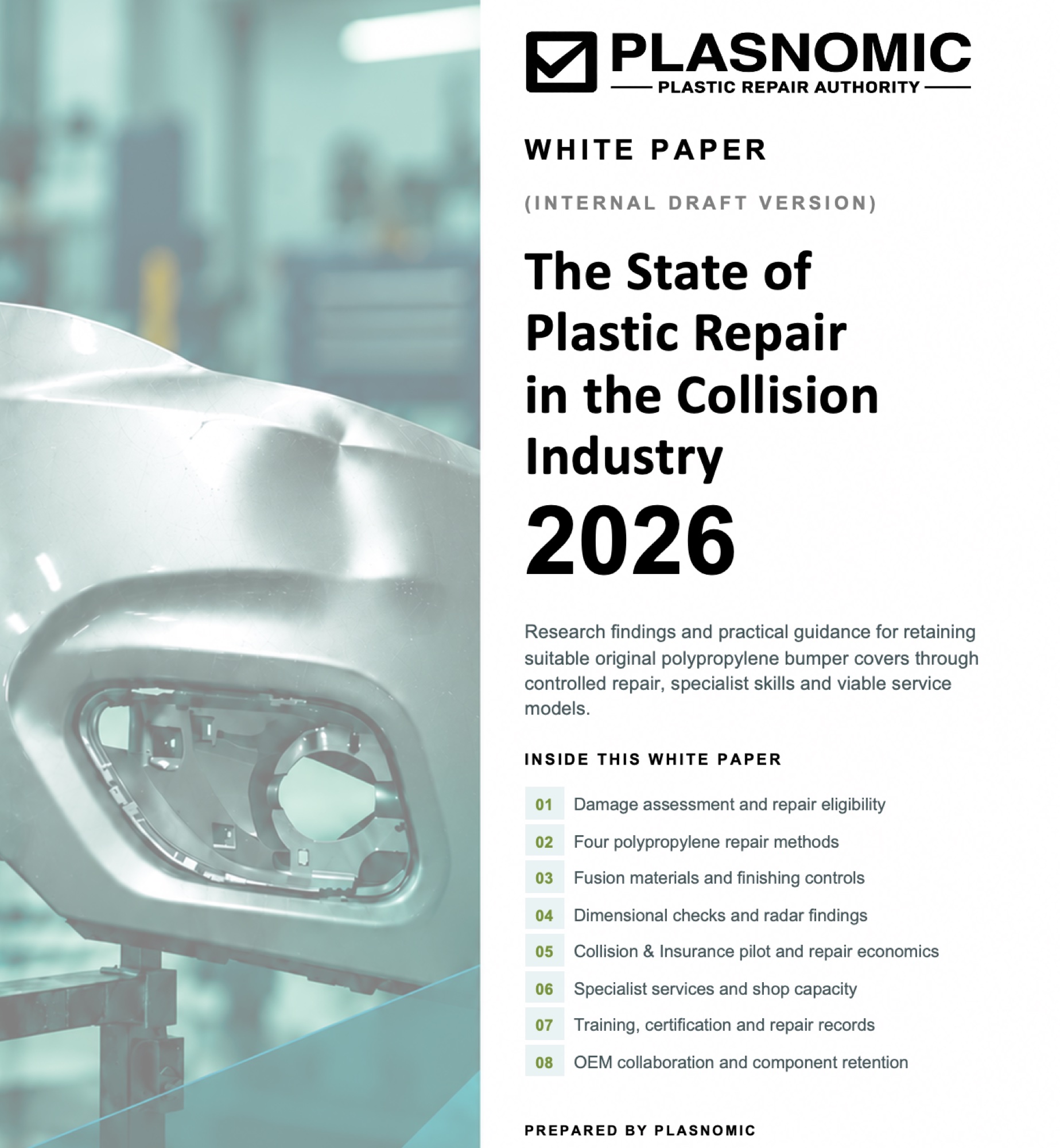
The current 90-page draft of the white paper will be available on Exchange from Monday, 16 November, for invited council members, industry representatives and ambassadors to review.
The content will be arranged by subject, allowing reviewers to comment on individual topics and provide focused feedback.
Plasnomic will also share its four designated best practices for review, inviting feedback on the proposed repair guidance.
Turning discussion into action
The next stage will bring together feedback from reviewers and the practical steps needed to progress Plasnomic’s training programs, solutions and best practices.
The aim is to turn the work completed over the past 18 months into clear guidance and practical support for the people who assess, approve and carry out plastic repairs.
Plasnomic thanks everyone who contributed to the SEMA discussions and looks forward to continuing this work with its partners, council members, ambassadors and the wider industry.